Snapchat Planets Are a Defection Detector. Poker Squads Figured That Out.
A growing number of serious poker players in Canada and the UK are using Snapchat’s Friend Solar System not for social validation but as a soft-intelligence layer on their staking and action-sharing networks.
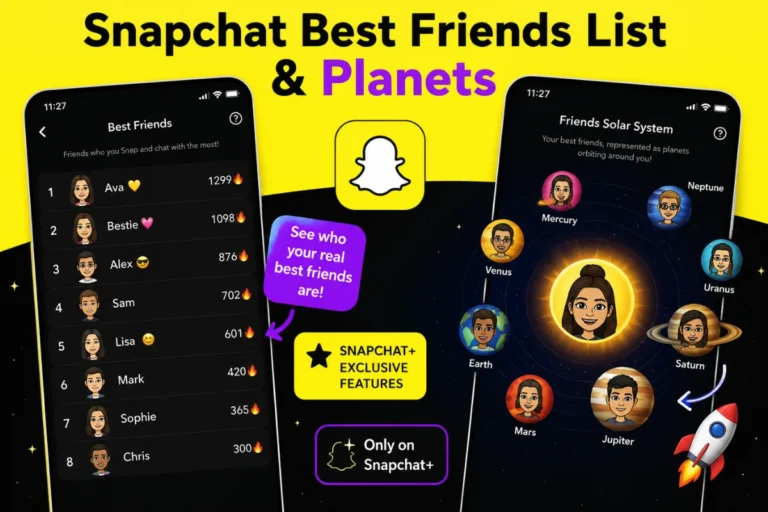
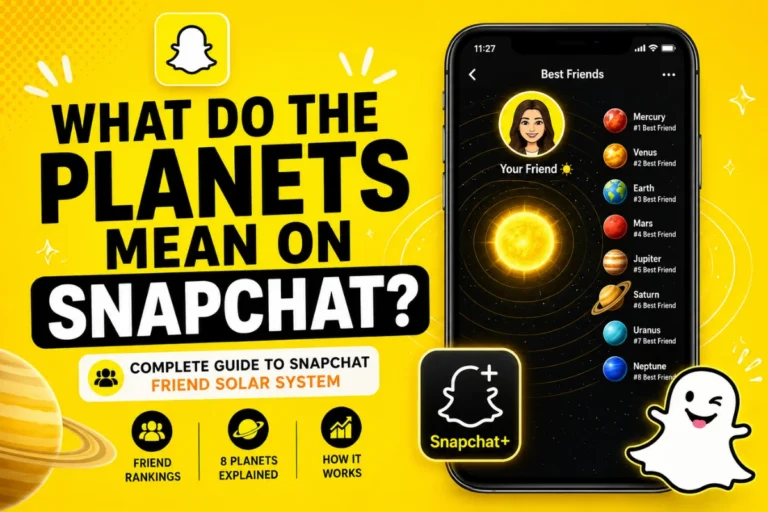
The feature ranks your top eight friends as planets orbiting you, from Mercury (closest) outward to Neptune. Grinders read the rankings the same way they read a group chat: who’s still engaged, who’s drifting, who’s gone quiet right before variance hits.
The Eight-Slot Problem
Snapchat Planets caps the visible squad at exactly eight. Pluto is deliberately excluded, so the roster stops at Neptune.
That ceiling isn’t arbitrary to a tournament player. A live final table seats nine. A tight action-sharing circle rarely runs wider than six to eight people before trust degrades and information leaks.
The platform’s hard limit maps cleanly onto the same roster discipline serious players impose manually.
For anyone building a poker online bankroll across multiple formats, the squad question is operational. Who gets a piece of your next buy-in? Who do you tell about a soft cash game running Thursday night on GGPoker?
The answer is almost always a short list. Snapchat’s eight-planet cap enforces what good squad management already demands.
Planet Drift as a Behavioral Tell
Snapchat measures interaction frequency, reciprocity, and longevity to assign planet positions. Mercury means constant two-way exchanges. Neptune means the relationship is still there but barely active.
Planet drift is the signal grinders watch. A backer who held Venus for three months and slides to Jupiter over two weeks isn’t just less active on Snapchat. The same behavioral pattern shows up everywhere:
- Slower replies to staking proposals
- Missing from session recaps in group threads
- Absent when a bad run starts
None of that is conclusive alone. Combined with a visible drop from Venus to Jupiter, it’s a pattern worth acting on before a deal renewal conversation.
Reciprocity Scoring Mirrors Table Reads
The platform weights reciprocity heavily. A friendship where one person initiates almost every snap scores lower than a genuinely mutual exchange. Poker players recognize that dynamic immediately.
It’s the same tell they track in group chats: who messages first after a big score, who ghosts when a player runs bad for a month.
In a staking relationship, the initiator pattern matters. If you’re always pushing updates and your backer has stopped asking, the relationship is cooling. Snapchat makes the asymmetry visible in a format that’s harder to rationalize away than a vague feeling.
How Squads Actually Use This
The practical workflow is simple. A player keeps their core six to eight contacts on Snapchat+ and checks planet positions roughly every two weeks – not daily. Daily checks create noise.
Fortnightly snapshots show directional movement.
How the solar system maps to relationship intensity:
- Mercury-Venus: Active, reciprocal, locked in. Safe for sensitive information, deal discussions, backing arrangements.
- Earth-Mars: Warm but passive. Still in the circle, not fully engaged. Worth a direct check-in before any new arrangement.
- Jupiter-Saturn: Cooling. The relationship is drifting. Treat new commitments here with caution.
- Uranus-Neptune: Nominal. The contact is in your eight but barely. Flag for review.
A player who drops from Earth to Saturn in one cycle hasn’t necessarily done anything wrong. It’s a prompt to have a real conversation rather than assume everything is fine heading into a tournament series.
The Limits of the Method
Snapchat Planets is a Snapchat+ exclusive, so it only works if both parties subscribe. It also only captures Snapchat-native behavior. A backer who prefers Telegram or WhatsApp won’t show movement on the planet scale regardless of how engaged they actually are.
It also doesn’t distinguish between someone who’s busy and someone who’s pulling back. A player running deep at a live festival will go quiet on Snapchat for a week. That’s not defection.
The planet ranking surfaces a question; it doesn’t answer it.
For those looking to sharpen their reads on the actual game while managing squad dynamics off the table, a solid poker cheat sheet covering hand rankings and basic equity math keeps the fundamentals tight during variance stretches when squad trust gets tested most.
Why This Works as an Unintended Tool
Snapchat built the Friend Solar System to visualize social closeness for a general audience. It wasn’t designed for coalition monitoring. That’s exactly why it works.
The scoring isn’t gameable the way a direct message thread is. You can’t fake reciprocity across weeks of interaction without actually being reciprocal. The algorithm is indifferent to what you want it to show.
GGPoker’s Rush & Cash format puts players in high-volume, fast-fold sessions where squad coordination on game selection matters more than in slower formats. Those sharing action across these sessions need a reliable read on who’s still invested. Planet drift catches the early signal.
Those interested in exploring deal structures and squad arrangements on GGPoker can find current details through the ggpoker bonus code page, which covers entry offers for new accounts.
The Broader Pattern
Social platforms generate behavioral data as a side effect of normal use. Poker players, trained to read patterns in incomplete information, are increasingly treating that data as a legitimate input.
Snapchat Planets is one example. The eight-planet cap, the reciprocity weighting, the longevity factor – none of it was designed for squad management. All of it is useful for it.
Recreational users see a friendship map. Grinders see a trust meter with a two-week lag.