
Snapchat Planets Order & Meaning Explained – How the Friend Solar System Works
What are Snapchat Planets? Snapchat Planets is a Snapchat Plus feature called the Friend Solar System. You are the Sun. Your top 8 most-interacted friends are shown as planets — Mercury (#1 closest) through Neptune (#8 farthest). Rankings are based on snaps, chats, and streaks. You need a Snapchat+ subscription to use it.
The First Time I Saw a Snapchat Planet
I was scrolling through Snapchat one afternoon when I noticed something on my best friend’s profile — a small glowing badge with what looked like a planet on it. I tapped it.
Suddenly, a little animation popped up showing me as a tiny figure standing on Earth.
Earth. Number three. Not Mercury. Not even Venus.
And honestly? That bothered me for about five minutes before I realised I had no idea how any of this worked.
If you’ve had a similar moment of “wait, what does this even mean?” — you’re in the right place. This guide covers everything about Snapchat Planets: what they are, what each planet means, how the ranking system actually works, and what you can do about your position. No fluff, no padding — just everything you actually need.
What Are Snapchat Planets?
Snapchat Planets is an exclusive feature for Snapchat Plus subscribers. Officially called the Friend Solar System, it turns your friendship rankings into a mini solar system — with you as the Sun and your closest 8 friends as planets orbiting around you.
The closer a planet sits to the Sun, the more you interact with that friend. Mercury (the nearest planet in real life) = your #1 best friend. Neptune (the farthest) = your #8.
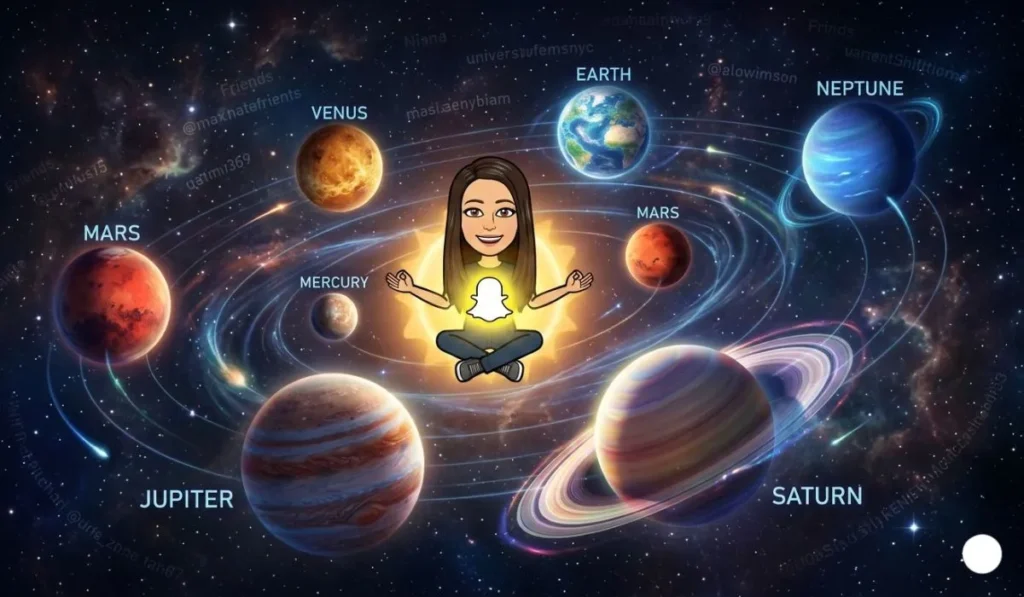
It’s not just a decorative feature. The planet assigned to each friend is a direct reflection of your Snapchat interaction history — how often you snap them, how frequently you chat, how long your streaks are, and how consistently you engage with each other.
Snapchat launched this in June 2022, first rolling it out in 25 countries including the United States, United Kingdom, Canada, Australia, India, and France. As of 2026, it’s available in most major markets worldwide.
Why does this feature exist? Snapchat built it to give users a more visual, engaging way to understand their closest friendships on the app — moving beyond the old emoji system (yellow hearts, fire streaks) and into something more dynamic.
How to Know If Someone Has Snapchat Plus?
Snapchat keeps adding new premium features, and many users now wonder if their friends are…
Snapchat Profile Viewer: What It Is, How It Works, and What You Should Know
Many Snapchat users search for a “Snapchat profile viewer” because they want to know who…

How Much Is Snapchat Plus?
Snapchat has become one of the most popular social media apps for sharing snaps, stories,…

What Does LMS Mean on Snapchat?
Snapchat is full of short words, slang, and internet abbreviations that can confuse new users….
How to Turn Off Spotlight Notifications on Snapchat (iPhone & Android)
To turn off Spotlight notifications on Snapchat: Open Snapchat → tap your profile icon →…
How to Know If Someone Blocked You on Snapchat?
Snapchat is one of the most popular social media apps for chatting, sharing stories, and…
How the Snapchat Friend Solar System Actually Works
Before we go through each planet, it helps to understand the engine running underneath all of this.
When you subscribe to Snapchat Plus, the app starts tracking your interaction data across your entire friends list. It looks at:
- Snap exchanges — How many photo and video snaps go back and forth between you and each friend
- Chat messages — Regular DM conversations, not just snap replies
- Active streaks — Long-running daily streaks significantly boost a friend’s rank
- Reply consistency — Whether both of you are responding, or if it’s one-sided
- Recency — What’s happened in the last few weeks counts more than activity from months ago
- Two-way engagement — Mutual interaction carries more weight than you snapping someone who barely replies
Based on all of this, Snapchat builds your personal solar system and assigns your top 8 friends to planets in order.
Here’s the key thing most people miss: Rankings are relative, not absolute. It doesn’t matter how many snaps you send — it matters how much you interact with each person compared to everyone else on your list. If you snap five friends equally, Snapchat still picks one as Mercury and one as Neptune.
Also worth knowing: your planet in someone else’s solar system is completely independent of theirs in yours. You might be their Mercury while they’re your Jupiter. That’s normal. Each person’s solar system reflects their own interaction data — not a shared one.
The 8 Snapchat Planets in Order — With Meanings
1- Mercury Planet
Real-life meaning: You’re someone’s #1 most-interacted friend on Snapchat. You snap back and forth constantly. You probably have a massive streak going and chat almost every day. This is the “good morning snap” friend.
What the icon looks like: A red planet surrounded by red hearts and tiny glowing stars. Very warm, very close energy — fitting for your closest connection.
Real-world scenario: You and your best friend from uni have a 300-day streak. You send random snaps throughout the day — your food, your commute, your dog doing something stupid. That person? Mercury, almost certainly.

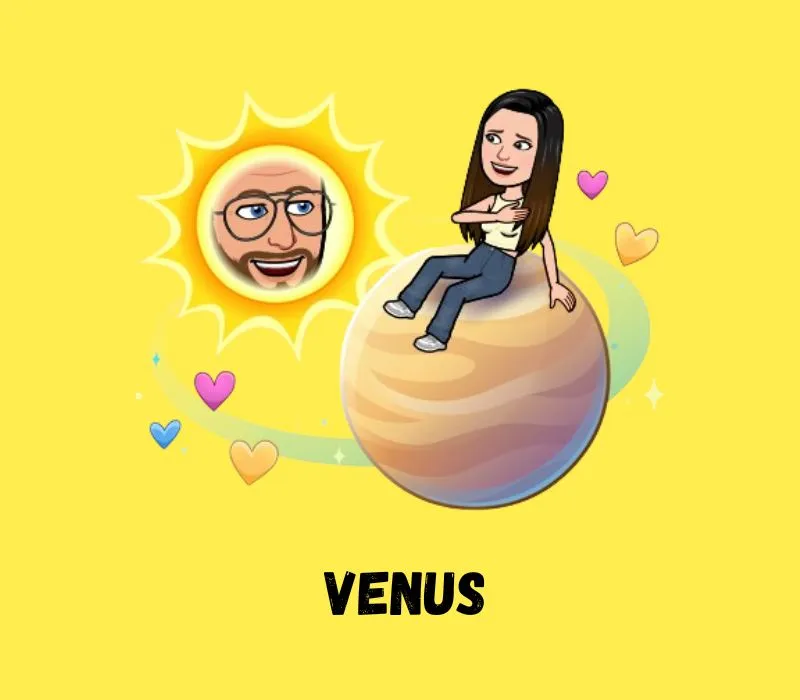
2- Venus Planet
Real-life meaning: Very close, just not the absolute top. You talk regularly, have quality conversations, and check in with each other consistently. Think of Venus as the “we’re tight but not joined at the hip” position.
What the icon looks like: A soft beige/light brown planet with colourful hearts in pink, yellow, and blue floating around it.
Real-world scenario: Your flatmate or a close sibling. You snap throughout the week, sometimes daily, sometimes every couple of days. The friendship is real and solid.
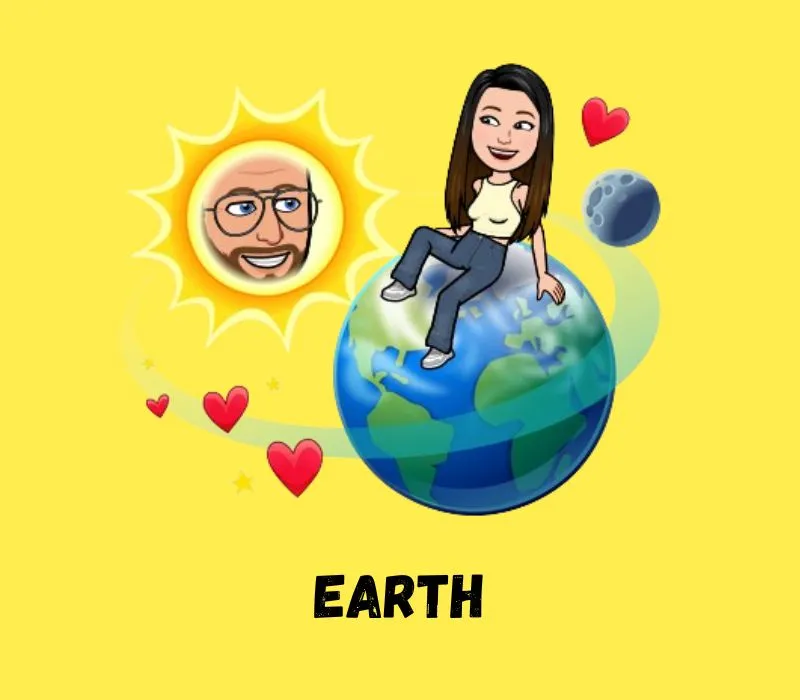
3- Earth Planet
Real-life meaning: A reliable, warm friendship. You interact several times a week and have good conversations when you do. Not as constant as Mercury or Venus, but still very much part of your inner circle.
What the icon looks like: Looks like the actual Earth — blue and green — with a tiny moon, red hearts, and yellow stars orbiting around it.
Real-world scenario: A close friend from secondary school who you still snap regularly, even though you’re both busy with adult life now. You don’t talk every day, but the bond is real.
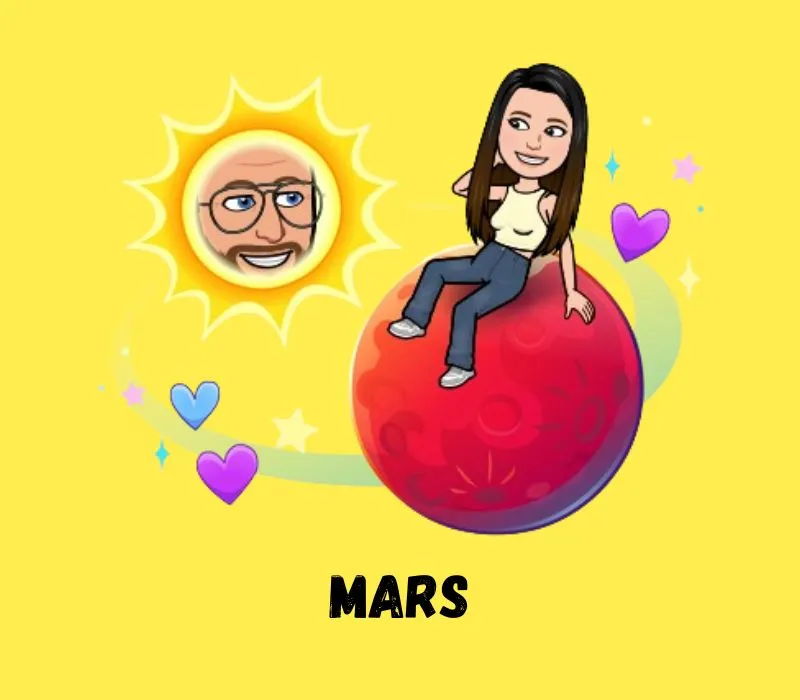
4- Mars Planet
Real-life meaning: A good friend you connect with a few times a week. Conversations are good when they happen, but there’s less constant back-and-forth compared to the inner-circle planets.
What the icon looks like: A red planet with pink and blue hearts and yellow stars around it.
Real-world scenario: A friend from your gym or your old job. You send memes, snap each other at events, stay in touch — but you’re not in daily contact.
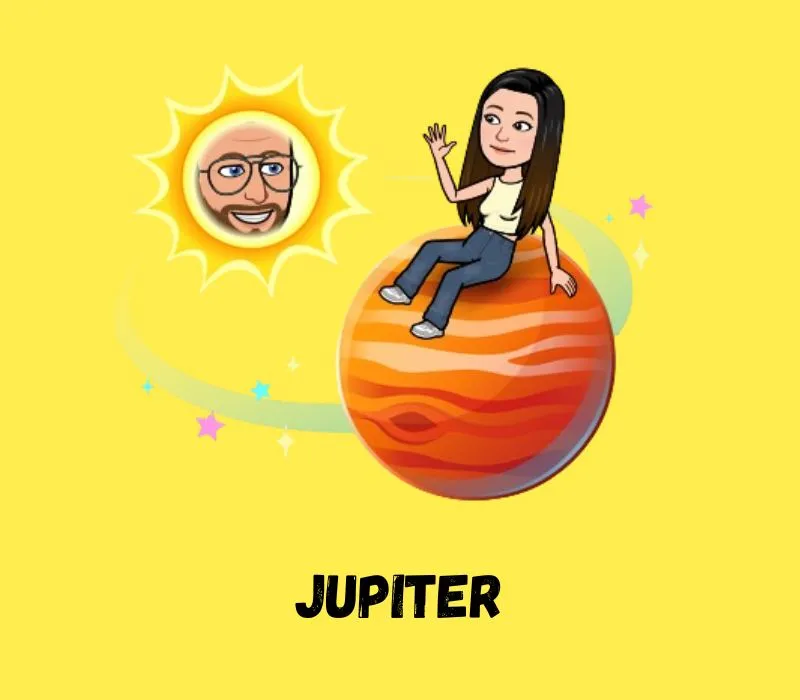
5- Jupiter Planet
Real-life meaning: You’re connected and friendly, but the snapping frequency has dropped to around once a week or less. This person is part of your broader friend circle, not your inner core.
What the icon looks like: A large orangey planet surrounded by colourful stars — no hearts this time, reflecting the slightly more distant connection.
Real-world scenario: A cousin you’re on good terms with, or a friend from a group chat. You interact, but it’s not an everyday thing.
6- Saturn Planet
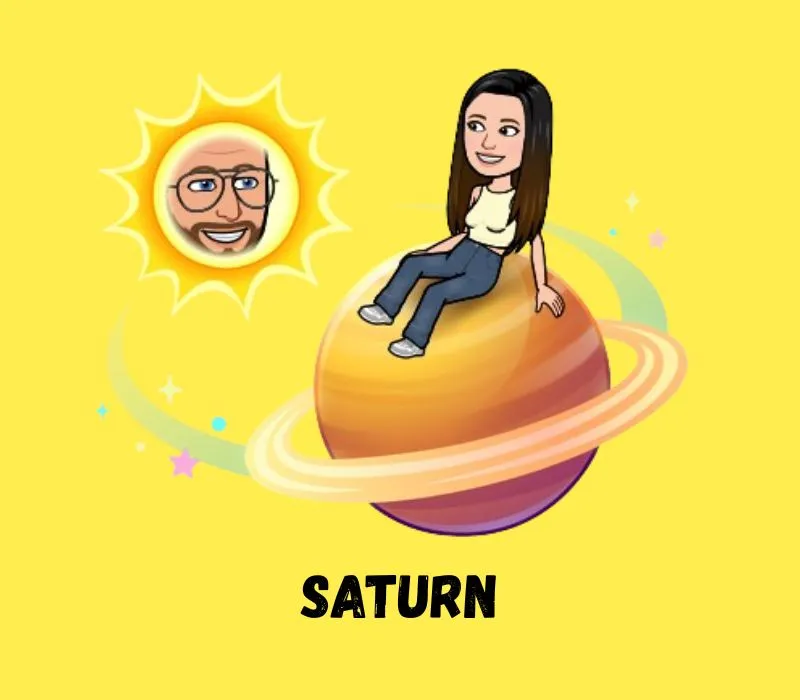
Real-life meaning: A more casual friendship. You snap occasionally — maybe when something reminds you of them, or when a specific topic comes up. Still in your top 8, but the interaction is noticeably lighter.
What the icon looks like: A yellow-gold planet with a distinctive ring and colourful stars.
Real-world scenario: Someone you met at a festival, a mutual friend you’ve kept loosely in touch with, or an old classmate you still vibe with occasionally.
7- Uranus Planet
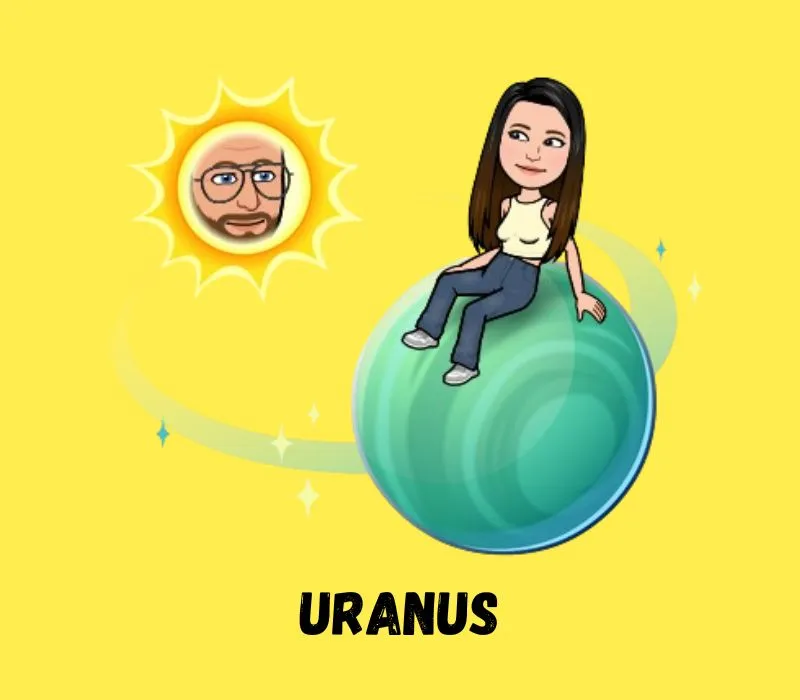
Real-life meaning: Interaction is pretty sparse. You might snap once or twice a month. The friendship is there, but the day-to-day activity has faded.
What the icon looks like: A green planet with stars (no hearts).
Real-world scenario: A friend you used to be really close with, but distance or life changes have made communication less frequent. You still care — just not actively snapping.
8- Neptune Planet
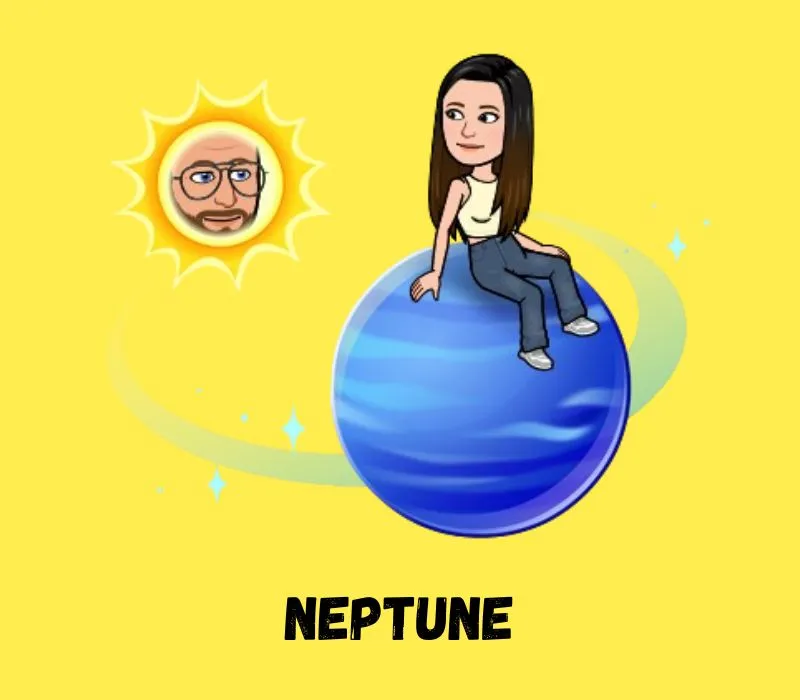
Real-life meaning: The least-interacted-with person in your top 8. They’re still there, which means something, but the engagement is minimal compared to your other friends.
What the icon looks like: A deep blue planet surrounded by stars — distant and quiet, just like the actual Neptune.
Real-world scenario: An old acquaintance you still follow, someone from a trip you took years ago, or a friend you’ve drifted from but haven’t removed. Still in your orbit — just barely.
Full Snapchat Planet Order — Quick Reference Chart
| Rank | Planet | Icon Colour | Hearts? | What It Means |
|---|---|---|---|---|
| #1 | Mercury | Red | ✅ Red hearts | Daily snapper, top bestie |
| #2 | Venus | Light beige | ✅ Mixed hearts | Very close, regular contact |
| #3 | Earth | Blue-green | ✅ Red hearts + moon | Solid, reliable friendship |
| #4 | Mars | Red | ✅ Pink + blue hearts | Good friend, a few times/week |
| #5 | Jupiter | Orange | ❌ Stars only | Casual, weekly-ish contact |
| #6 | Saturn | Yellow-gold | ❌ Stars + ring | Occasional snapper |
| #7 | Uranus | Green | ❌ Stars only | Infrequent, drifted slightly |
| #8 | Neptune | Deep blue | ❌ Stars only | Least active in your top 8 |
Pattern worth noticing: The inner planets (Mercury through Mars) all show hearts in their icons — symbolising emotional closeness. The outer planets (Jupiter through Neptune) only show stars — representing more distant or passive connections. This is not random. It’s a small design detail that reflects the actual relationship dynamic.
How to Check Your Snapchat Planet — Step by Step
Here’s how to find out which planet you are in someone’s Friend Solar System:
Step 1: Open Snapchat and go to a friend’s profile. Tap their Bitmoji or their name in your chat list.
Step 2: Look for one of two badges near the top of their profile:
- Best Friends badge (gold outline with a star ⭐) — You’re both in each other’s top 8. The relationship is mutual.
- Friends badge (purple outline 💜) — You’re in their top 8, but they’re not in yours. One-sided, but you still rank in their system.
Step 3: Tap the badge. A short animation plays, and Snapchat reveals which planet you are in their solar system.
That’s it. Mercury through Neptune — one tap and you’ll know.
What if I don’t see a badge at all? A few reasons this might happen:
- You’re not in their top 8 friends (you interact with them less than their other friends)
- One or both of you doesn’t have an active Snapchat+ subscription
- The Friend Solar System feature is turned off (it’s off by default — see below)
- Your Snapchat app needs an update
Important: You can only see your own position in the Snapchat Best Friends List. You cannot see the full list of someone else’s 8 planets because Snapchat keeps each person’s rankings private.
How to Turn On Snapchat Planets
This trips up a lot of new Snapchat+ subscribers. The Friend Solar System doesn’t switch on automatically — you have to enable it yourself.
Here’s how:
- Open Snapchat
- Tap your Bitmoji (top-left corner of the camera screen)
- Scroll down to the Snapchat+ section and tap it
- Find “Friend Solar System” in the list of features
- Toggle it ON
You can toggle it back off anytime using the same steps. If you find the feature adds unnecessary pressure or anxiety, turning it off is a completely valid choice.
Note: Both you and the friend whose profile you’re checking need active Snapchat+ subscriptions for the planet animation to appear. If only one of you has Snapchat+, the badge might show but the planet won’t reveal.
Snapchat Plus — What You’re Actually Paying For
Snapchat Planets are only available through Snapchat Plus, Snapchat’s premium subscription. Here’s what you get:
| Region | Monthly Price |
|---|---|
| 🇺🇸 United States | $3.99/month |
| 🇬🇧 United Kingdom | £3.99/month |
| 🇨🇦 Canada | CA$4.49/month |
| 🇦🇺 Australia | AU$5.99/month |
Annual and 6-month plans are available at discounted rates. New subscribers get a 7-day free trial — you can use the full Planets feature during that week and cancel before being charged if you don’t want to keep it.
Other Snapchat+ features worth knowing about:
- BFF Pin — Pin your #1 best friend to the top of your chat list so they’re always first
- Story Rewatch Count — See exactly who’s been rewatching your stories
- Ghost Trails on Snap Map — See where your friends have been moving recently
- Custom app icons and chat wallpapers — Personalise how Snapchat looks on your phone
- Post-View Emojis — Send a reaction after viewing a snap (not just before)
- Extended Best Friends list — See your top 16 friends (instead of the standard 8) and track weekly position changes
- Priority customer support — Jump the queue if something goes wrong
- Early access to experimental features — Try new stuff before it rolls out to everyone
For $3.99/month in the US or equivalent elsewhere, it’s a reasonable value if you use Snapchat heavily. The Planets feature alone drives a lot of conversation, especially among users who already spend time checking things like their Snapchat Story Viewer stats and profile interactions.
Why Your Planet Ranking Changes (And What to Do About It)
One of the most common questions people ask is: “Why did I go from being someone’s Mercury to their Earth without doing anything different?”
The honest answer is: you probably didn’t change — but something else did.
Your planet can move outward if:
- You snapped someone else more than before (they moved up, you moved down relatively)
- The person whose system you’re in started talking more to someone new (pushes you further out)
- Your recent snap activity slowed down (recency matters — last few weeks weigh more than months ago)
- Your streak with them broke and hasn’t recovered
Your planet can move inward if:
- You increased daily snap exchanges with that person
- You started more DM conversations (not just snap replies)
- You consistently engage with their stories as well as direct snaps
- Your mutual streak is long and unbroken
What Snapchat does NOT use to rank planets:
- Profile views — viewing someone’s profile has zero impact
- Story views alone — watching without reacting barely moves the needle
- Followers or follower counts — irrelevant to the algorithm
- Group snaps — one-to-one interaction is weighted more
The single most effective thing you can do to improve your ranking with someone: snap them directly, every day, and make sure they reply. Consistent two-way engagement is the only reliable way to move closer in someone’s solar system.
What the Badges Actually Mean (Best Friends vs. Friends)
This confuses a lot of people, so let’s be totally clear.
⭐ Best Friends Badge (Gold)
This appears when you are BOTH in each other’s top 8. The interaction is mutual. When you tap this badge, you’ll see your planet in their solar system.
💜 Friends Badge (Purple)
This appears when you are in their top 8, but they are NOT in yours. You interact with them enough to make their list, but they interact with other people more than they interact with you. You can still tap this badge to see which planet you are in their solar system.
No badge at all
If you see no badge on someone’s profile, it simply means you’re not currently in their top 8 friends. You can still snap them — you just haven’t made the cut yet.
A common misconception: Some people think the Friends badge means the person doesn’t like them or is pulling away. That’s not necessarily true. It could just mean they have a very active friend group and you happen to fall slightly outside their top 8 based on pure interaction numbers.
Can You See Snapchat Planets Without Paying?
No, there’s no real free access to this feature.
The Friend Solar System is fully locked behind Snapchat Plus. But there are two limited ways to get a look:
Option 1 — Use the 7-day free trial New subscribers get a full week free. Enable the feature in your settings, check all the profiles you want, and cancel before day 7 if you don’t want to be charged. This is the only genuine free method.
Option 2 — Borrow a friend’s phone If someone you know has Snapchat Plus, they can open your profile from their device and show you which planet you are in their solar system. You won’t see it on your own phone, but at least you’ll know.
What to avoid: Several websites and apps claim to show you your Snapchat planet for free. None of them work. At best, they’re fake. At worst, they’re harvesting your data. Don’t connect any third-party app to your Snapchat account for this.
Snapchat Planets Troubleshooting — Common Problems Fixed
Problem: I tapped the badge but no planet appeared. Fix: Make sure both you and your friend have Snapchat Plus active. Also check that you’ve enabled Friend Solar System under Snapchat+ settings — it’s off by default.
Problem: The Planets feature disappeared after working before. Fix: Check if your Snapchat+ subscription is still active. If it expired, the feature locks immediately. Also check your app is updated to the latest version.
Problem: I see a Best Friends badge but my friend doesn’t see one on my profile. Fix: Badges are independent. They have Snapchat+ and you’re in their top 8. But you might not have Snapchat+ yourself, or they might not be in your top 8 — so you won’t show a badge on your side.
Problem: My planet keeps changing even though I snap the same people. Fix: This is normal. The algorithm recalculates regularly based on recent trends. If other friends increased their interaction with you, or if yours slowed down with a specific person, rankings shift. Consistency matters more than intensity.
Problem: I don’t see the Friend Solar System toggle in my Snapchat+ settings. Fix: Update your app. Older versions sometimes don’t show newer Plus features. Go to the App Store (iPhone) or Google Play Store (Android) and update Snapchat.
The Mnemonic to Remember Snapchat Planet Order
Eight planets is a lot to memorise. Here’s the classic trick:
“My Very Energetic Mom Just Served Us Nachos”
- My = Mercury
- Very = Venus
- Energetic = Earth
- Mom = Mars
- Just = Jupiter
- Served = Saturn
- Us = Uranus
- Nachos = Neptune
Works for the real solar system and Snapchat’s solar system — same order.
Snapchat Planets vs. Old Best Friends Emojis
Before planets existed, Snapchat showed your closest friends through an emoji system in your chat list. Here’s how the two compare:
| Feature | Old Emoji System | Snapchat Planets |
|---|---|---|
| What it shows | Emoji beside name in chat | Planet animation on profile |
| Number of tiers | ~5 levels (heart colours) | 8 specific planets |
| How to view | Visible in chat list automatically | Tap badge on profile |
| Requires Snapchat+? | ❌ No | ✅ Yes |
| Privacy | Semi-visible to others | Private — only you see it |
| Detail level | Basic (mutual or not) | Exact position 1–8 |
The planets system gives far more detail and context. But the emoji system still exists alongside it — you’ll still see fire streaks and heart emojis in your chat list. Planets are an addition, not a replacement.
Does Snapchat Planets Affect Mental Health?
This is a real conversation worth having — not just for parents, but for anyone who uses the feature.
Some users in the US, UK, Australia, and Canada have reported feeling anxious when they see their planet ranking change. Dropping from Mercury to Earth overnight can feel like a friendship is fading, even if nothing has actually changed in real life. And seeing yourself as someone’s Neptune when you thought you were much closer can sting.
Snapchat actually addressed this by:
- Making the feature off by default for new subscribers
- Keeping rankings completely private (only you see your position)
- Sending no notifications when your rank changes
- Allowing users to disable the feature entirely at any time
If you’re using the Planets feature and finding it makes you feel worse rather than better — turn it off. That’s what the toggle is for. Snapchat friendships are more than an algorithm. The feature is meant to be fun, not a source of social anxiety.
For parents: the feature is hidden behind a paid subscription ($3.99/month) and is off by default. If your teenager has Snapchat Plus, they can access it — but the private nature of the rankings means it doesn’t broadcast comparisons publicly.
FAQs About Snapchat Planets
Conclusion
Snapchat Planets use a Snapchat Plus subscription to make your top eight friendships feel like a solar system. The Snapchat planet ranking system is based on interaction frequency, engagement consistency, and activity data rather than numbers.
The planets are active and private and up to you. They rely on digital behavior within the app, not emotional intimacy.
Snapchat Planets can be a quirky way to get some insight into your Snapchat friend ranking, if used casually. But at the end of the day, they are just a reflection of how often you text someone on Snapchat. No more — and no less.